How to Get long-lasting cannabis effects from Edibles
When I first tried cannabis edibles, I made a classic rookie mistake. I ate a single chocolate, waited thirty minutes, felt nothing, and ate two more. Ninety minutes later I was glued to my couch, staring at the ceiling, wondering if I had accidentally broken the space-time continuum. That experience taught me something that no dosing guide had made clear: edibles are a completely different animal from smoking or vaping, and understanding how to get long-lasting cannabis effects means understanding your own body's chemistry.
Over the years I have tried just about every form of cannabis-infused product available from gummies and chocolate edibles to baked goods and dried fruits. Each format has its own personality, but the one thing they share is a delayed onset time. Unlike inhaling, where THC hits your bloodstream in seconds, edibles have to pass through your digestive system and then your liver. That process takes time, usually anywhere from thirty minutes to two hours depending on what you have eaten recently and how fast your metabolism runs. The reward for that patience, however, is a full-body high that can last four, six, or even eight hours.
The Science Behind the Duration
The reason edibles produce such long-lasting cannabis effects comes down to liver metabolism. When you eat cannabis, the THC travels to your liver where it is converted into 11-hydroxy-THC, a metabolite that is actually more potent and more psychoactive than THC itself. This compound crosses the blood-brain barrier more easily and sticks around longer in your system. Smoking or vaping THC bypasses this first-pass liver process, so your body clears it faster. That is why a brownie can keep you lifted for an entire evening while a joint might fade after an hour or two.
CBD also appears in many edible products, and it can influence the experience. CBD does not produce the same psychoactive effects as THC, but it can modulate them, sometimes smoothing out the intensity or extending the sense of relaxation. Many people who use medicinal cannabis for chronic pain or anxiety prefer edibles precisely because the effects are gradual and sustained. They do not want a spike and a crash; they want steady relief.
Why Fatty Foods Matter
One detail that often surprises people is how much what you eat before an edible affects the outcome. THC is fat-soluble, meaning it binds to fats. If you eat a cannabis gummy on an empty stomach, your body will absorb the THC quickly, leading to a faster onset but a shorter, more intense peak. If you eat it after a meal that contains fatty foods such as avocado toast, a handful of nuts, or a slice of pizza the THC gets absorbed more slowly and evenly, and the effects tend to last longer. I have tested this myself many times. A chocolate edible on an empty stomach hits me in about forty minutes and fades around the four-hour mark. The same chocolate after a burger and fries takes nearly ninety minutes to kick in, but I still feel it six hours later.
This is not just anecdotal. Research into pharmacokinetics confirms that dietary fat increases the bioavailability of THC. So if your goal is to stretch your edible as far as possible, eat something with a decent amount of fat about thirty minutes before you dose. It will delay the onset, but the payoff is a longer, more even ride.
Dosing with Confidence
A proper dosing guide for edibles should start with one simple rule: start low and go slow. For someone new to recreational cannabis or even someone experienced but new to edibles, the standard advice is to begin with 5 to 10 milligrams of THC and wait at least two hours before taking more. I have seen too many people make the mistake I made, eating more because they do not feel anything yet. By the time the first dose kicks in, the second is already being processed, and that is how you end up uncomfortably high for twelve hours.
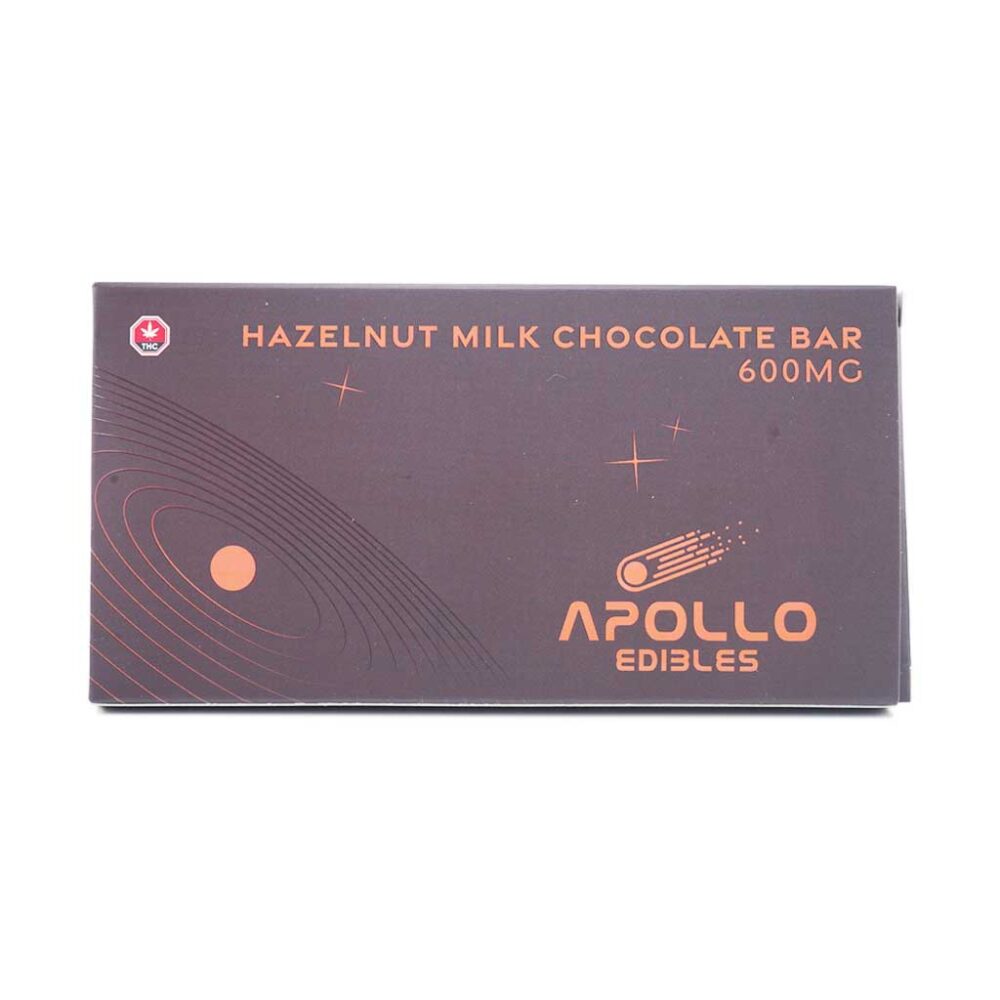
Kush Station, the online shop where I buy most of my edibles, labels each product with clear milligram amounts, which makes it much easier to dose precisely. Their cannabis gummies come in consistent pieces, so I know exactly how much THC I am getting. Their chocolate edibles are scored into portions, and I can break off a small square if I want a lighter experience. That kind of transparency is crucial because the difference between a pleasant evening and a white-knuckle night can be as little as 15 milligrams.
Different Formats, Different Experiences
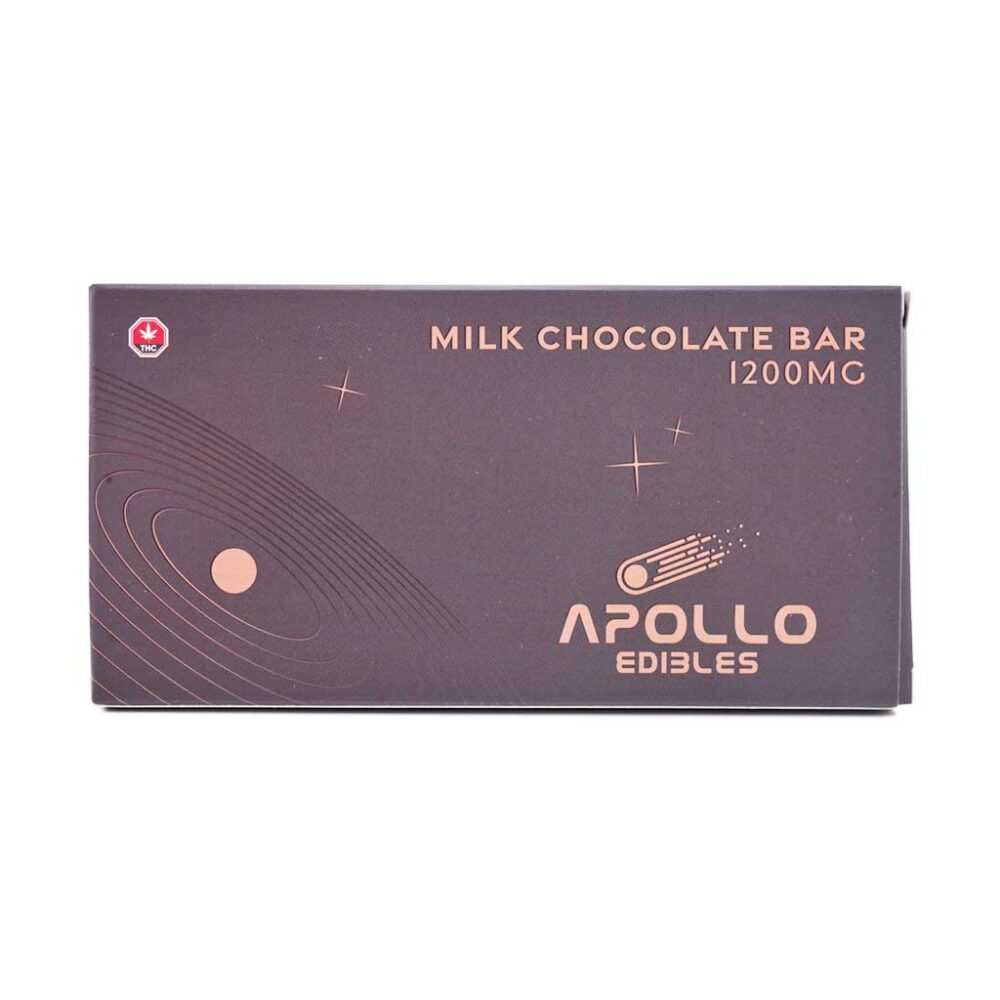
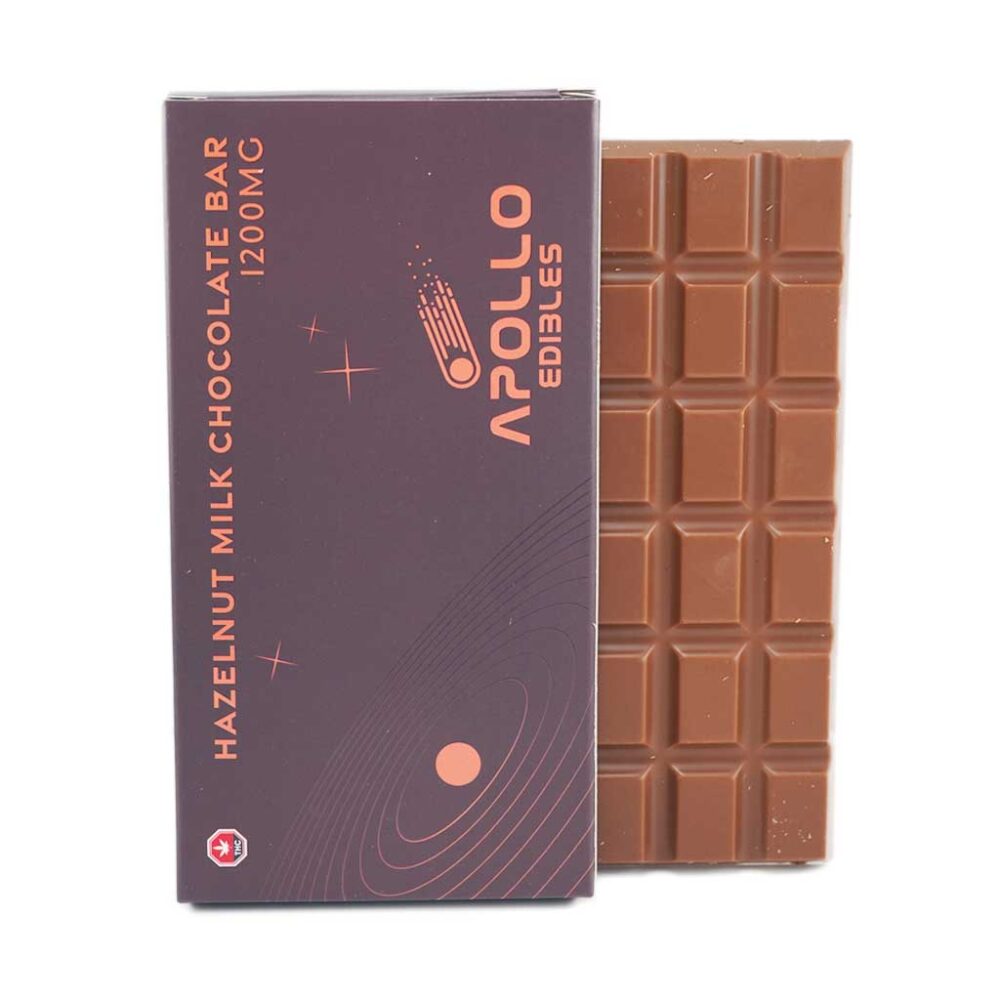
Not all edibles behave the same way, even when the THC content is identical. Baked goods like brownies or cookies tend to be denser and higher in fat, which can slow absorption further. Dried fruits, such as mango slices or sour cherries infused with cannabis, are lighter and often get absorbed a little faster. I keep a bag of dried fruit in my bag for times when I want something that kicks in within an hour rather than two. Chocolate edibles fall somewhere in the middle, with a decent fat content from cocoa butter that helps sustain the effects.
Cannabis gummies are my personal favorite because they are portable, discreet, and the onset time is fairly predictable. But I have friends who swear by baked goods because they like the slower, more drawn-out curve. There is no single right answer. The best format depends on your lifestyle, your tolerance, and what kind of experience you are after.
Responsible Use and Legal Context
Marijuana laws vary widely depending on where you live, and it is important to know what is legal in your area before you buy or consume any cannabis-infused product. In places where recreational cannabis is legal, edibles are typically regulated, tested, and labeled with accurate potency. That makes a huge difference for safety. When I travel to places where cannabis is not regulated, I avoid edibles entirely because I cannot trust the dosing.
Medicinal cannabis users often rely on edibles for the same reason I just described: long-lasting cannabis effects mean fewer doses throughout the day. Someone using THC for chronic pain might take a single gummy in the morning and get relief that lasts well into the afternoon. That is harder to achieve with smoking or vaping, which requires frequent re-dosing and can irritate the lungs over time.
That said, edibles are not for everyone. Some people find that the full-body high feels too heavy or that the delayed onset makes it hard to gauge how much they have taken. Others love the gradual build and the deep relaxation that comes with it. Knowing your own tolerance and paying attention to how your body responds is the only way to figure out which camp you fall into.
Final Thoughts From Experience
After years of experimenting with different products, I have settled into a routine that works for me. I eat a small meal with some fat, wait twenty minutes, then take a measured dose of a cannabis gummy or a square of chocolate. I set a timer for ninety minutes and do not even think about taking more until that timer goes off. Usually I do not need to. The effects come on smoothly, peak around the two-hour mark, and taper off over the next four or five hours. It is a calm, manageable experience that lets me go about my evening without feeling overwhelmed.
If you are new to edibles or if you have tried them and had a rough time, I would encourage you to revisit them with a better dosing strategy and a little patience. The long-lasting cannabis effects that edibles offer can be a wonderful thing when you treat them with respect. Start small, be mindful of what you eat beforehand, and give your body the time it needs to process the THC. With a bit of practice, you will find the sweet spot that works for you, and you might just discover why so many experienced users prefer edibles over every other method.